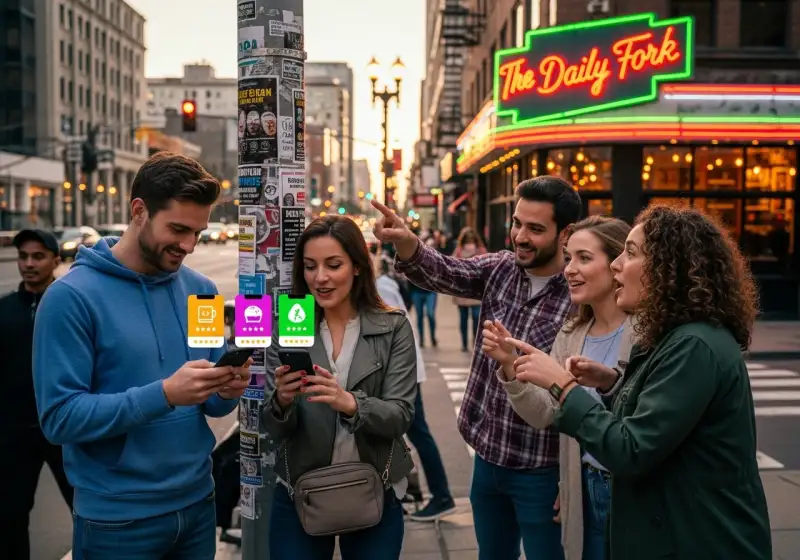
Best Ways to Find Good Local Restaurants: Insider Tips That Actually Work

Best Ways to Find Good Local Restaurants: Insider Tips That Actually Work

BiteCritic Team
BiteCritic Team
July 18, 2025
10 min read
local restaurants
neighborhood dining
community food
restaurant discovery
local gems
authentic dining
neighborhood eats
local food scene
Discover proven methods to find amazing local restaurants in your neighborhood, from community secrets to digital tools that locals actually use.

Best Ways to Find Good Local Restaurants: Insider Tips That Actually Work

Introduction

Finding truly good local restaurants isn't just about scrolling through apps or reading generic reviews. After years of hunting down the best neighborhood spots, I've learned that the real gems are discovered through a mix of local knowledge, smart observation, and knowing where to look. Whether you've just moved to a new area or want to explore your own neighborhood better, these strategies will help you uncover the local favorites that make a community special.

Start with the Locals Who Know Best

Ask the Right People

Not all locals are created equal when it comes to restaurant knowledge. I've found these people always have the best recommendations:

Food service workers are your secret weapon:

  • Delivery drivers (they see which restaurants are consistently busy)
  • Grocery store employees (they know who's buying the freshest ingredients)
  • Local bartenders (they eat out constantly and know the scene)
  • Coffee shop baristas (they're plugged into the neighborhood vibe)

Long-time residents have the historical perspective:

  • Your neighbors who've lived there for years
  • Local business owners (especially non-restaurant ones)
  • Postal workers and mail carriers (they know every block)
  • Dog walkers and regular park visitors

Community Gathering Spots

I always check these places for restaurant recommendations and local food buzz:

  • Community centers and bulletin boards
  • Local libraries (staff and regular visitors know the area well)
  • Neighborhood Facebook groups and Nextdoor
  • Local gyms and fitness centers (people discuss post-workout meals)
  • Hair salons and barbershops (endless conversation about local spots)

The Art of Observation

Follow the Lunch Rush

Here's something I learned by accident: the best local restaurants reveal themselves during lunch hours. I started paying attention to where people go when they have limited time and their own money on the line.

What to watch for:

  • Lines of locals during lunch (not tourists with cameras)
  • Construction workers and office employees (they know value and quality)
  • Families with kids on weekends (they need good food at reasonable prices)
  • Senior citizens (they've tried everything and know what's worth their time)

The Parking Lot Test

This might sound weird, but I judge restaurants by their parking situations:

  • Full parking lots during off-peak hours (locals eat there regularly)
  • Cars with local license plates and bumper stickers
  • Older, well-maintained cars (suggests loyal, long-term customers)
  • People waiting in their cars for takeout (they're willing to wait for good food)

Visual Clues That Never Lie

Walking around neighborhoods has taught me to spot the signs of a great local restaurant:

Good signs:

  • Simple, weathered signage (they don't need flashy marketing)
  • Windows you can see into with busy kitchens
  • Handwritten specials boards (shows they're cooking fresh)
  • Mismatched furniture that's clean and comfortable
  • Local newspaper clippings and community photos on walls

Red flags:

  • Overly polished chain-restaurant appearance
  • Dusty windows or empty dining rooms during meal times
  • Generic stock photos of food
  • Pushy street promoters or aggressive advertising

Digital Tools That Actually Work for Local Discovery

Beyond the Big Apps

While everyone knows about Yelp and Google, I've found these resources more helpful for true local gems:

Neighborhood-specific platforms:

  • Local food blogs and Instagram accounts
  • Community Facebook groups (search "[Your City] Food" or "[Neighborhood] Eats")
  • Reddit city subreddits (locals share honest opinions)
  • Local newspaper food sections and websites

Smart app strategies:

  • Use Google Maps to search "restaurants near me" then filter by rating AND number of reviews
  • Check Instagram location tags for restaurants (see real customer photos)
  • Look at Foursquare check-ins and tips from locals
  • Use BiteCritic for community-driven local reviews

Social Media Secrets

I've discovered some amazing places through these social media tactics:

  • Follow local food photographers and bloggers
  • Search hashtags like #[YourCity]Eats or #[Neighborhood]Food
  • Check Instagram Stories from people in your area
  • Look at tagged locations on posts from locals (not influencers)

The Cultural Connection Method

Ethnic Enclaves and Authentic Cuisine

Some of my best local restaurant discoveries have come from exploring ethnic neighborhoods and communities:

How I find authentic spots:

  • Visit during cultural festivals and community events
  • Shop at ethnic grocery stores and ask for restaurant recommendations
  • Look for restaurants where the staff speaks the native language
  • Notice where families from that culture celebrate special occasions
  • Check community centers and religious institutions for food event announcements

Signs of authenticity:

  • Menus in multiple languages (or primarily in the native language)
  • Decorations and music from the culture
  • Clientele that's predominantly from that ethnic community
  • Family photos and cultural artifacts on display
  • Simple presentation focused on food rather than ambiance

Timing Your Local Restaurant Hunt

Best Times for Discovery

I've learned that when you look matters as much as where you look:

Weekday lunch hours (11:30 AM - 1:30 PM):

  • See where local workers eat regularly
  • Observe which places have consistent crowds
  • Notice restaurants with quick, efficient service

Weekend breakfast/brunch (8:00 AM - 11:00 AM):

  • Find where families go for weekend meals
  • Discover neighborhood gathering spots
  • See which places locals choose for leisurely meals

Early dinner hours (5:00 PM - 6:30 PM):

  • Watch where people stop after work
  • Notice restaurants with happy hour crowds
  • Find places that cater to local schedules

Seasonal Considerations

Local restaurants often shine during specific seasons:

  • Spring: Look for places featuring fresh, local ingredients
  • Summer: Find restaurants with outdoor seating that locals frequent
  • Fall: Discover comfort food spots that become neighborhood gathering places
  • Winter: Identify cozy restaurants where locals escape the cold

Budget-Friendly Local Gems

Finding Quality on Any Budget

Great local food doesn't have to be expensive. Here's where I find the best value:

Lunch specials and early bird menus:

  • Many upscale local restaurants offer lunch portions of dinner dishes
  • Early bird specials often feature the same quality at lower prices
  • Happy hour menus can be a great way to try higher-end local spots

Counter-service and casual spots:

  • Food trucks that have become local institutions
  • Counter-service restaurants with loyal followings
  • Family-owned cafes and diners
  • Bakeries that serve more than just pastries

BYOB restaurants:

  • Often family-owned with focus on food quality
  • Lower overhead means better ingredients for the same price
  • Usually have strong local followings

Building Relationships for Better Recommendations

Becoming a Regular

Once you find a good local spot, becoming a regular opens doors to even better discoveries:

  • Restaurant staff will recommend other places they respect
  • You'll overhear conversations about new openings and hidden gems
  • Other regulars often share their favorite spots
  • Owners might tell you about special events or off-menu items

The Network Effect

Every good local restaurant recommendation leads to more:

  • Ask servers where they like to eat on their days off
  • Chat with other customers about their favorite neighborhood spots
  • Follow up with people who gave you good recommendations
  • Share your own discoveries to keep the conversation going

Avoiding Tourist Traps and Chain Mediocrity

Red Flags for Local Restaurant Hunting

I've learned to avoid places with these characteristics:

Tourist trap indicators:

  • Located on main tourist streets with aggressive promotions
  • Menus with pictures and multiple languages
  • Staff trying to pull people in from the sidewalk
  • Prices significantly higher than surrounding restaurants

Chain restaurant disguises:

  • Overly polished interiors that look identical to other locations
  • Laminated menus with extensive options
  • Staff uniforms and scripted service
  • Generic decor without local character

Creating Your Local Restaurant Discovery System

Keeping Track of Your Finds

Organization helps you remember and revisit great local discoveries:

My tracking system:

  • Google Maps lists organized by neighborhood and cuisine type
  • Notes app with restaurant details and what I ordered
  • Photos of restaurant exteriors and favorite dishes
  • Ratings and notes about service, atmosphere, and value

Follow-up strategies:

  • Return within a month to try different dishes
  • Bring friends and family to share discoveries
  • Leave honest reviews to help other locals
  • Ask about seasonal specials and off-menu items

Sharing and Building Community

The best local restaurant discoveries are meant to be shared:

  • Post about great finds on neighborhood social media groups
  • Write reviews that help other locals (not just tourists)
  • Recommend places to friends with similar tastes
  • Support local restaurants by bringing others

Seasonal and Event-Based Discovery

Local Food Events and Festivals

Community events often showcase the best local restaurants:

Where to find local food events:

  • Farmers markets (vendors often recommend nearby restaurants)
  • Street festivals and block parties
  • Cultural celebrations and community gatherings
  • Local business association events
  • Charity fundraisers featuring local restaurants

Restaurant week and special promotions:

  • Many cities have restaurant weeks featuring local establishments
  • Local business districts often coordinate dining promotions
  • Community newspapers advertise local restaurant specials
  • Social media groups share information about local deals
Share:

Key Takeaways

Here's what I've learned works best for finding great local restaurants:

  • Ask the right locals: Food service workers, long-time residents, and community members have the best insights
  • Observe patterns: Follow lunch crowds, check parking lots, and look for visual clues of quality
  • Use digital tools smartly: Go beyond major apps to find neighborhood-specific resources
  • Explore cultural communities: Ethnic enclaves often have the most authentic and delicious local spots
  • Time your search: Different times reveal different aspects of local dining scenes
  • Build relationships: Becoming a regular opens doors to better recommendations
  • Stay organized: Keep track of discoveries so you can revisit and share them

The best local restaurants are often hiding in plain sight. They're the places where neighbors meet, families celebrate, and communities gather. Once you know how to spot them, you'll never run out of great places to eat.

Frequently Asked Questions

Q1: How do I know if a local restaurant is actually good or just popular?

A1: Look for consistent quality indicators: clean kitchens visible through windows, fresh ingredients, and return customers rather than just high volume. Good local restaurants have regulars who come back weekly, not just crowds of one-time visitors.

Q2: What's the best way to find local restaurants when I'm new to an area?

A2: Start with your immediate neighbors and local service workers like mail carriers, grocery store employees, and coffee shop staff. They eat locally every day and know which places are worth your time and money.

Q3: How can I tell if a restaurant is locally owned versus a chain?

A3: Look for personal touches like family photos, local newspaper clippings, mismatched furniture, and staff who know regular customers by name. Chain restaurants have standardized decor, laminated menus, and scripted service.

Q4: Are expensive local restaurants always better than cheaper ones?

A4: Not at all. Some of the best local food comes from family-owned counter-service places, food trucks, and casual spots. Price often reflects location and ambiance more than food quality. Focus on freshness, flavor, and local reputation instead.

Q5: How do I avoid restaurants that cater mainly to tourists?

A5: Stay away from places on main tourist streets with aggressive promotions, multilingual picture menus, and staff trying to pull people in. Instead, look for restaurants in residential neighborhoods where locals actually live and work.

Q6: What should I do if I find a great local restaurant?

A6: Become a regular customer, try different dishes, ask staff for other recommendations, and share your discovery with friends and local community groups. Supporting good local restaurants helps them stay in business and maintain quality.

References

Share:
BiteCritic Team

Written by BiteCritic Team

Local food enthusiasts helping you discover the best neighborhood restaurants in your community