
Lebkuchen
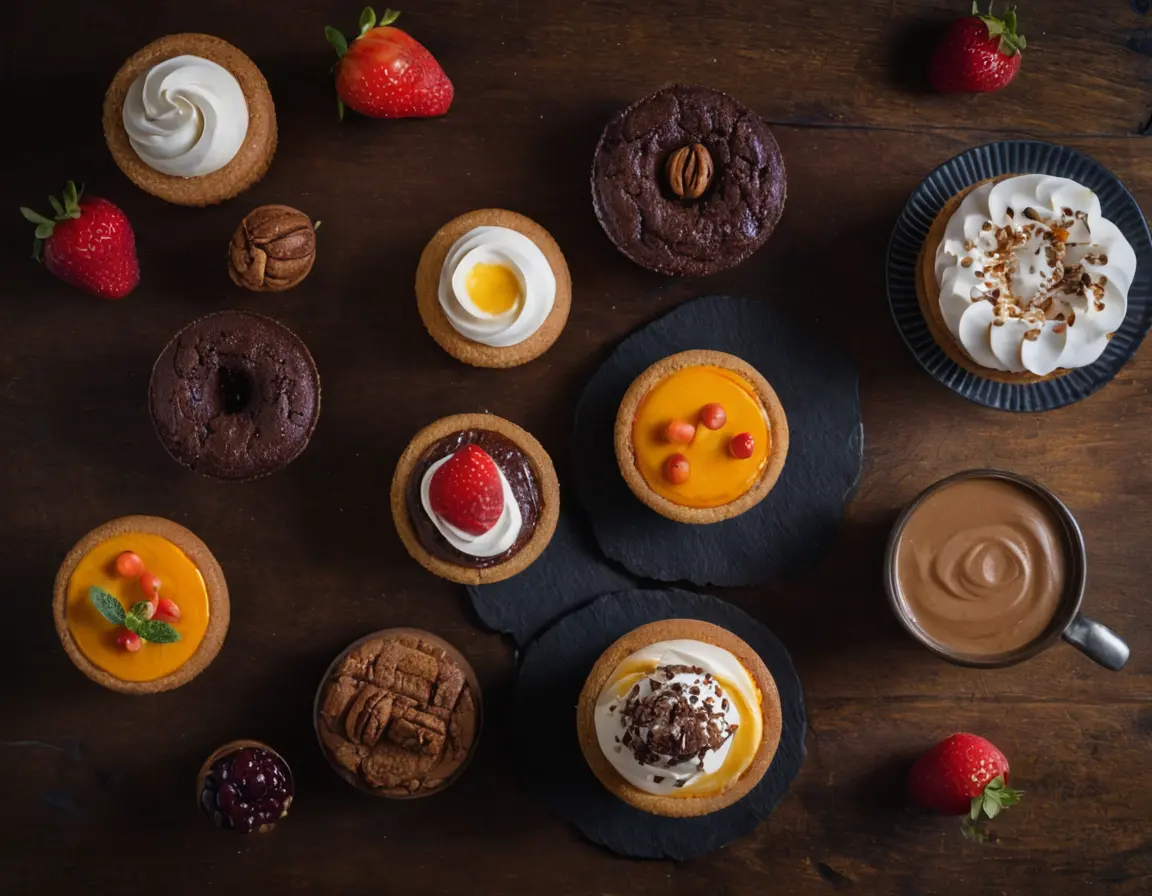
This traditional German treat is mainly associated with Christmas and winter holidays. The term lebkuchen covers a wide variety of different types of honey or ginger-flavored cookies which are traditionally baked on oblaten (thin wafers), and glazed or coated with either dark chocolate or sugar icing. Additional ingredients may include various spices like cloves, aniseed, nutmeg, coriander, and cardamom, with different types of nuts or candied fruit. Best-known varieties of this cookie include the heart-shaped lebkuchenherzen which are often decorated with icing and different inscriptions, the German version of the gingerbread man called honigkuchenpferd (lit. honey cake horse), and hexenhausel (lit. witch’s house), while the most famous is the Nurnberger Elisenlebkuchen. In Germany, the earliest records date back to the year 1296 and the city of Ulm, and the year 1395 and the city of Nurnberg. The area itself was an intersection of many trade routes that supplied it with spices necessary and thus helped to keep the production of lebkuchen alive and thriving. In 1996, the Nurnberger lebkuchen was granted the protected designation of origin (PDO) status which applies to all the lebkuchen produced in the city of Nurnberg.

Yemek haritanı paylaş!

Ödüller kazan!
Lebkuchen için İlk Değerlendirmeyi Yapın!
Sizin tat deneyiminiz önemli! Değerlendirmenizi paylaşın ve diğer yemek tutkunlarının bu yemeği keşfetmesine yardımcı olun.