



7
Frittata
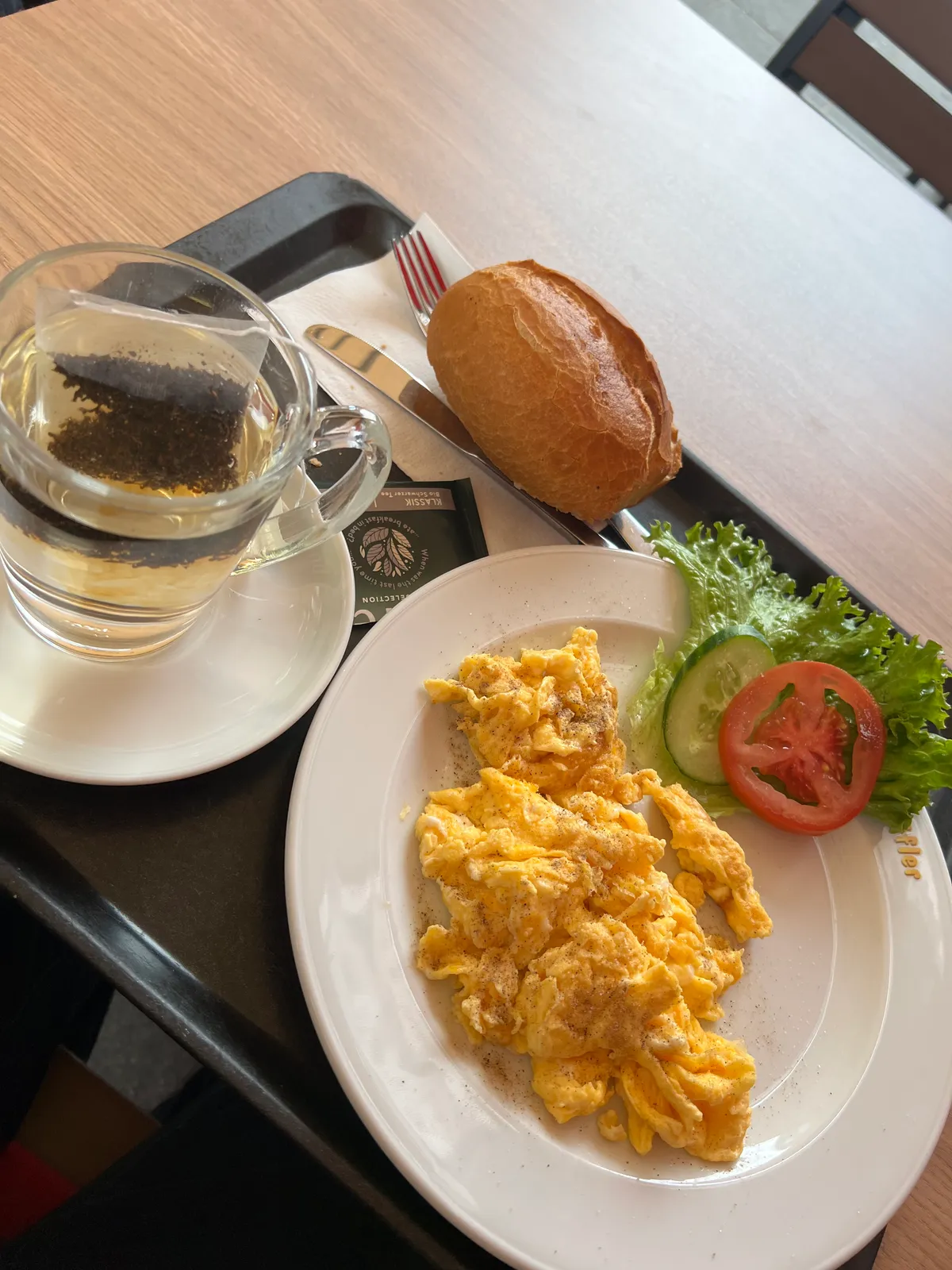
The Frittata is an Italian egg-based dish that is often compared to an omelet or a crustless quiche, yet it possesses a distinct identity and culinary technique that sets it apart. The word 'frittata' derives from the Italian verb 'friggere', meaning 'to fry', hinting at its preparation method. Unlike an omelet, where the eggs are cooked quickly and folded over a filling, a frittata incorporates the ingredients directly into the beaten egg mixture before cooking begins. This results in a thick, hearty, and custardy dish that is sliced into wedges like a cake. Traditionally, the frittata was a humble dish, a clever way to use up leftovers such as pasta, vegetables, or meats from the previous day's meals. Today, it has evolved into a versatile canvas for culinary creativity. Common additions include sautéed onions, spinach, zucchini, mushrooms, potatoes, and various cheeses like Parmesan, cheddar, or feta. The key to a perfect frittata lies in the cooking process: it starts on the stovetop in a skillet (preferably cast iron or non-stick) over low heat to set the bottom, and is often finished under a broiler (grill) or inverted onto a plate to cook the top, ensuring it is cooked through without burning the bottom. Frittatas are incredibly versatile in terms of serving. They can be enjoyed hot, warm, or at room temperature, making them ideal for picnics, packed lunches, or varying meal times. In Italy, cubes of frittata are sometimes served as part of an antipasto platter. Nutritionally, it serves as a protein-packed meal that can be adapted to be low-carb or vegetarian. The texture should be creamy and soft, never rubbery. Whether served as a quick weeknight dinner, a brunch centerpiece, or a savory snack, the frittata embodies the Italian spirit of simplicity, resourcefulness, and deliciousness.
Top locations
Top gourmets

Share your food map!

Earn rewards!
Discover new culinary experiences